
11 Best Japanese Foods & Dishes
Famous Food Locals Love to Eat in Japan
The best Japanese foods and dishes are sublime in their intricacy of flavour, variety of seasonal dishes and surprising health benefits. A typical Japanese meal is based on combining staples; rice or noodles are almost always served with soup, pickles and at least one okazu side dish of fish, meat vegetable or tofu.
Being an island nation, the Japanese diet is heavily influenced by seafood and offers great variety through the use of seasonal ingredients. Always artfully presented, a product of centuries of history, Japanese cuisine is a feast for the eyes as well as the stomach. Take a look at these typical Japanese dining options to get the belly rumbling. Itadakimasu!
1. Tempura
Simple, versatile and deliciously affordable

适合: 餐饮, 经济
Tempura strikes a perfect balance between being crispy, tasty, relatively healthy and cheap. It is one of the most popular dishes in Japan and allows you to choose from an array of ingredients like prawns, fish, squid, vegetables or tofu. These selections are lightly coated in batter and quickly deep-fried to retain their nutritional value, including essential vitamins and minerals.
While tempura can stand alone as a satisfying dish, it’s frequently served on top of noodles or rice, with a variety of dipping sauces.
2. Noodles: soba, udon and ramen
A delicious trio
适合: 餐饮, 经济
Noodles are a delicious and cheap alternate to rice-based meals. Made from buckwheat flour, soba noodles are served hot with broth or cold with dipping sauce. Udon are thick wheat noodles that are served hot or cold with soy or fish soup. Ramen is perhaps the most popular type of noodle in Japan, available in thin or thick varieties, often served with a hot broth and topped with items like tempura or meat.
Many noodle shops operate a vending machine system. Simply buy a ticket at the vending machine, choose your noodle type, serving size and topping, and then hand the receipt to the chef who prepares your food on the spot.

3. Sushi
More than just raw fish
适合: 餐饮
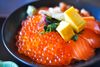
Japan’s most internationally famous dish, sushi, is also internationally misunderstood. Most people are mistaken in believing that sushi is simply raw fish. Rather, good sushi is a vigilant combination of vinegared rice, raw fish and vegetables and comes in many different forms.
Sushi nigiri is the most well-known variety with a slice of raw fish, egg or vegetable perched atop a small bundle of rice. Maki sushi is the variety that is rolled in ‘nori’ seaweed. Temaki sushi is cone-shaped and full of assorted ingredients. Inari sushi features deep-fried tofu wrapped around the rice. Among the thousands of sushi shops in Tokyo alone you are sure to find a variety that suits you.
4. Okonomiyaki
A grilled pancake with all your favourites
适合: 餐饮, 冒险, 家庭
Okonomiyaki is a fun, interactive way of dining, perfect for groups. Basically, okonomiyaki is a batter that is mixed with all your favourite ingredients, then fried like a pancake on the grill right in front of you. Okonomiyaki translates as ‘grill your favorite’ and as such there is great variety in terms of ingredients available, from seafood, beef, chicken and bacon, to tofu, cheese, corn, onion and other vegetables.
Once the batter has cooked, the okonomiyaki is topped with a rich brown sauce, mayonnaise and dried bonito flakes. Typically each person in the group orders their own okonomiyaki preference and many restaurants allow you to cook your own, which is a fun addition to the meal.
5. Teppanyaki
A dazzling display of culinary skill and entertainment at your dinner table
适合: 餐饮, 冒险
Teppanyaki brings entertainment to the dinner table. You’re seated around the chef and their large grill plate and can watch the chef skilfully prepare your food right in front of you. This theatrical demonstration of the chef’s culinary skills is part of the beauty of teppan. In many of the larger hotels the teppan chefs actually perform amazing stunts, juggling with their razor-sharp knives, catching tiny morsels with chopsticks and generally wowing their audience of diners.
Teppan menus are typically course-based with some kind of beef, ranging from the extremely popular and expensive Kobe beef to lesser grades. Vegetables, rice and pickles are also usually included.
6. Teishoku
A set meal
适合: 餐饮
Teishoku set meals are very popular, particularly at lunch time, and most restaurants offer set meals of some kind. Typically, a set meal includes rice, pickles, soup and a main dish of fish, seafood, vegetables or meat. With lots of food and cheap prices, the teishoku dining option is a great introduction to everyday Japanese food.
Some of the better restaurants offer kaiseki, a traditional Japanese tasting menu. The preparation of kaiseki is considered an art form requiring a careful balance of taste, texture, appearance and colour, using only fresh seasonal ingredients. Expect exquisite presentation, and higher than average prices.
7. Yakiniku
Japanese barbecue
适合: 餐饮
Yakiniku is another fun, interactive way of eating in Japan. Yakiniku hails from Korea and is essentially a do-it-yourself barbecue with bite-sized pieces of beef, pork and vegetables that you cook on the grill in front of you. The thin slices of meat and vegetable cook quickly and are then doused into a soy-based dipping sauce flavoured with sesame, garlic and sake.
Menus usually offer plates of different ingredients and a table may order 2 or 3 different plates and spend hours slowly cooking and eating. Rice and pickles usually accompany the meal.
8. Yakitori
A popular, cheap snack food
适合: 餐饮
The Japanese believe yakitori is the perfect accompaniment to beer, and in the late hours of the night yakitori stands are always full of life. Yakitori translates as grilled chicken and some restaurants serve up to 20 varieties of the skewers, each a different part of the chicken, including breast meat, wings, heart, parson’s nose and skin.
Your yakitori can be flavoured with shio (salt) or tare (a sweet-salty sauce). Yakitori is a very popular and cheap snack food, usually only 100-200 yen per skewer.
9. Shabu Shabu and Sukiyaki
Shared cooking experiences
适合: 餐饮
Shabu Shabu and Sukiyaki are fun dining options for groups. In Shabu Shabu, diners order thinly sliced meat and vegetables and a pot filled with boiling soup is placed on the table. Each diner picks up a slice of meat using chopsticks and swishes it around in the soup until it cooks. The meat is then dipped into a salty shabu shabu sauce and enjoyed before swishing the next piece. Predominately beef based, shabu shabu can also include seafood and pork.
Similarly, sukiyaki presents meat, seafood and vegetables in a sweet-salty soy-based soup. The difference is that ingredients bubble away in the pot continuously and diners fish out the slices they want and perhaps dip it in raw egg.
10. Fugu (blowfish)
A taste of adventure, wrapped in caution and tradition
适合: 餐饮
The seas surrounding Japan are home to several hundred types of Fugu (blowfish) and it’s believed the Japanese have been eating the poisonous fish for as long as 15,000 years.
While in Japan, don’t miss the opportunity to try Fugu, a delicacy known for its delicate taste and the unique experience it offers. But remember, it should only be prepared by a licensed expert due to its potential danger. Chefs must train for many years to learn how to prepare these potentially dangerous sea creatures. Once prepared, fugu can be eaten in a number of ways, including fresh slices of sashimi, boiled in a hot pot or grilled with vegetables.
11. Unagi (eel)
A nutritious and energising dish
适合: 餐饮
Unagi (eel) is a staple in Japanese cuisine, cherished not only for its robust flavour but also for its nutritional benefits. This hearty dish, rich in vitamins and protein, is traditionally served with a sweet soy teriyaki sauce over rice. The Japanese believe that eating eel during the hottest months helps fight fatigue.
This delectable dish can be savoured throughout Japan, with numerous unagi restaurants dotting the country. The Hamanako area, in particular, boasts a unique culture centred around this slippery fish.

本文包含 Go Guides 编辑团队的意见。Hotels.com 好订网对作者出现在本网站上的文章给予补偿;此类补偿可能包括差旅费和其他费用。